




Engaging
Straightforward
refreshing
User interest
Encouraging




"I try to save money. But I always loose track of the
expenditures. I want to check it at least at the end of the
month. But I always forget…."
"Extra expenses are difficult to fit in the budget. Either I'll ask my
parents or friends. "
"I have never saved up for anything. But I always wanted to.."
"Planning is the hard part. I am spontaneous.
I am unable to think and not spend. This way I use up the
money and end up broke."

Handling of money
Money in hand
Money borrowed
Money Required
Detailed study was made on individual situation by mapping to find intervention points

Concepts
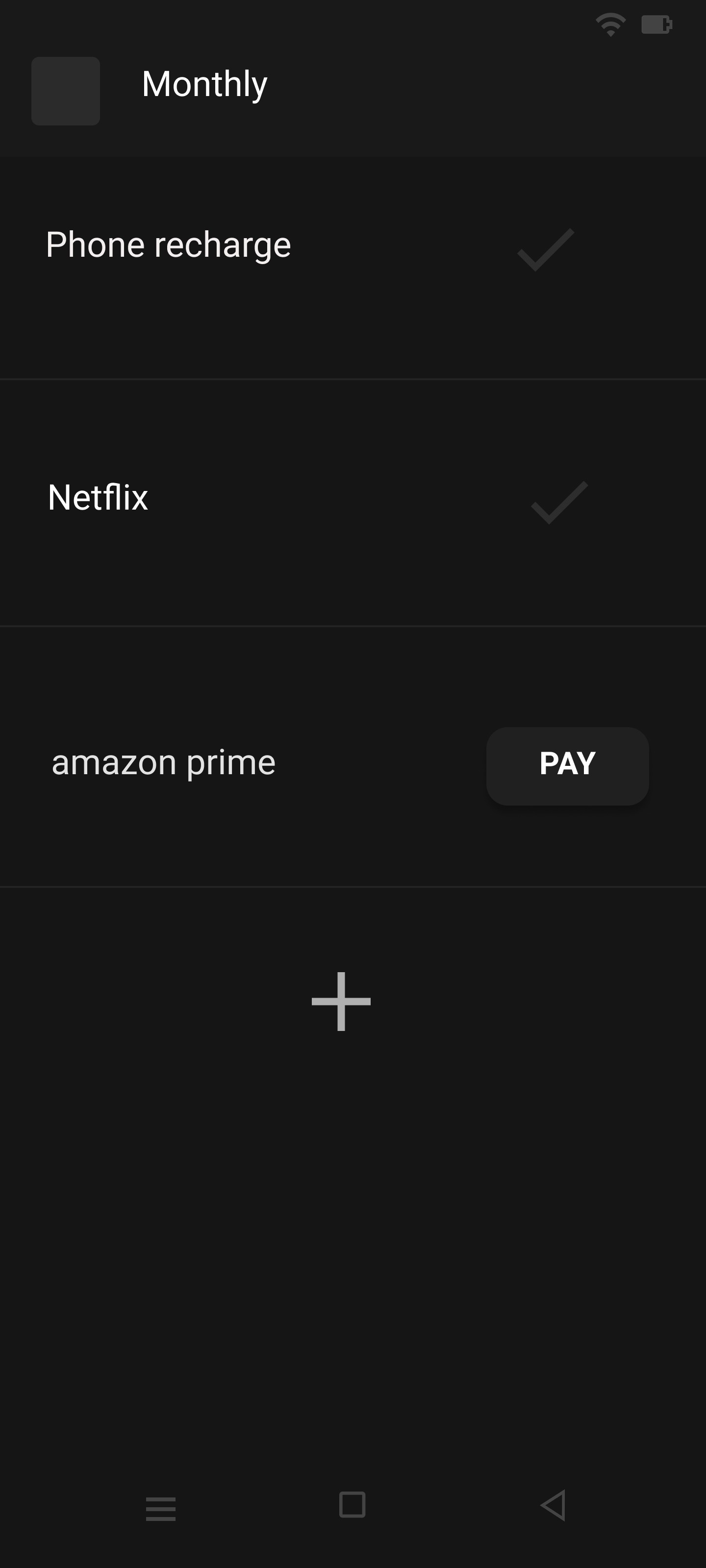
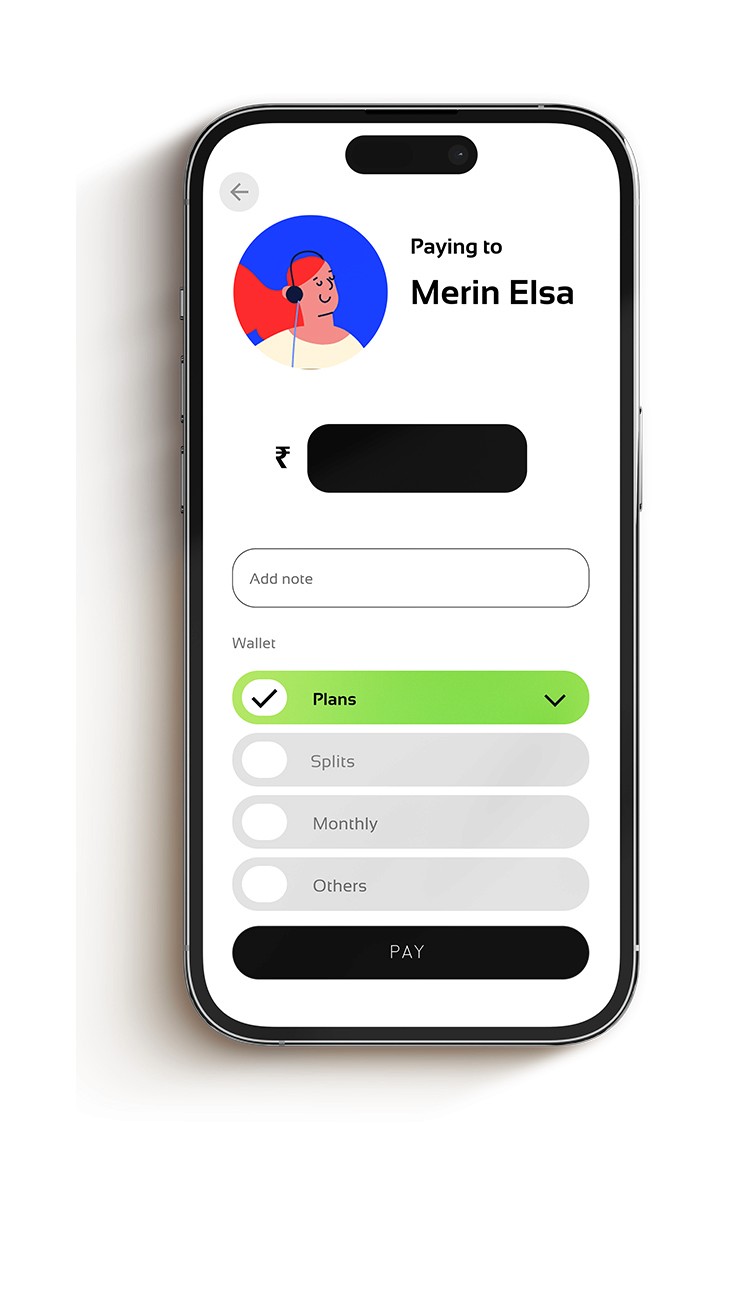
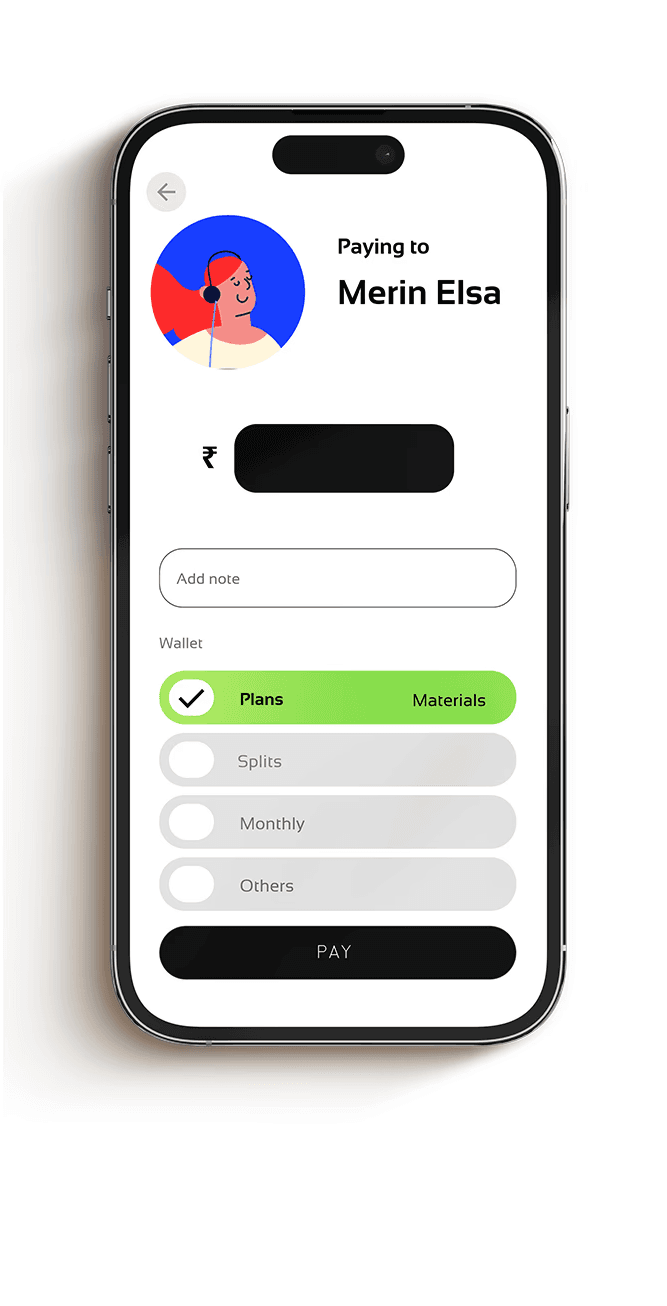
Dividing money into estimated requirements.
This includes planning for an amount of time
the money is supposed to last . This also includes
list of payment that has to be done monthly.
Divison
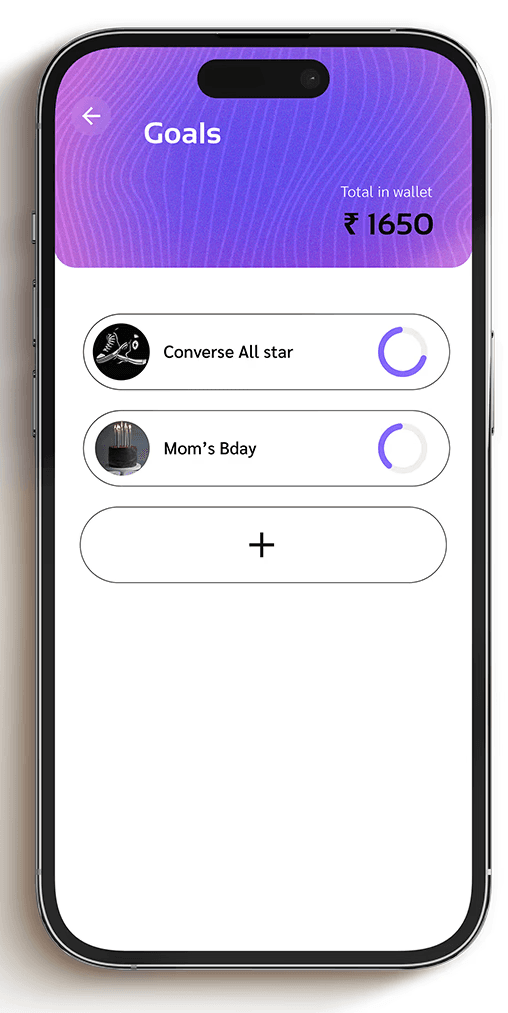
Saving money for a purpose. There can be set
targets which can be achieved by proper handling
of money.
Saving
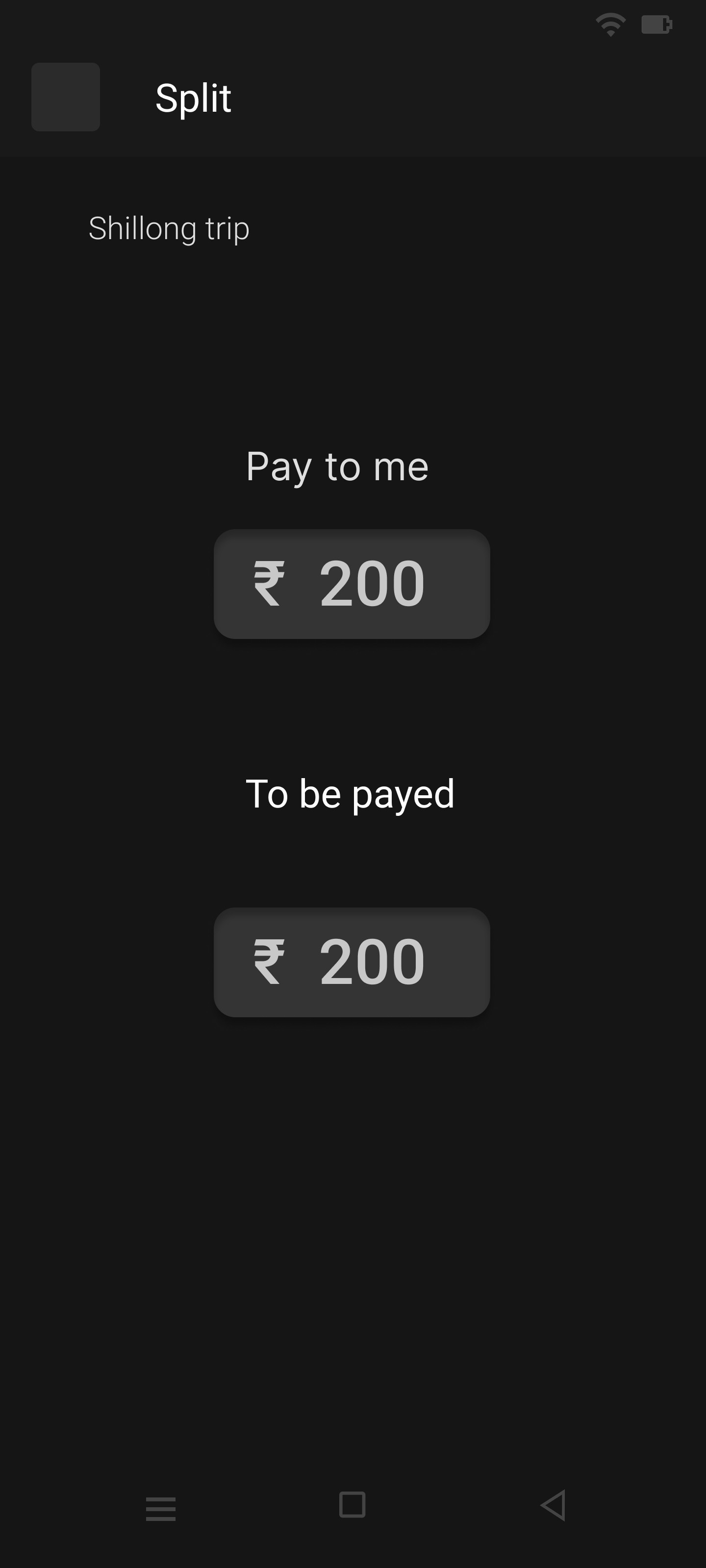
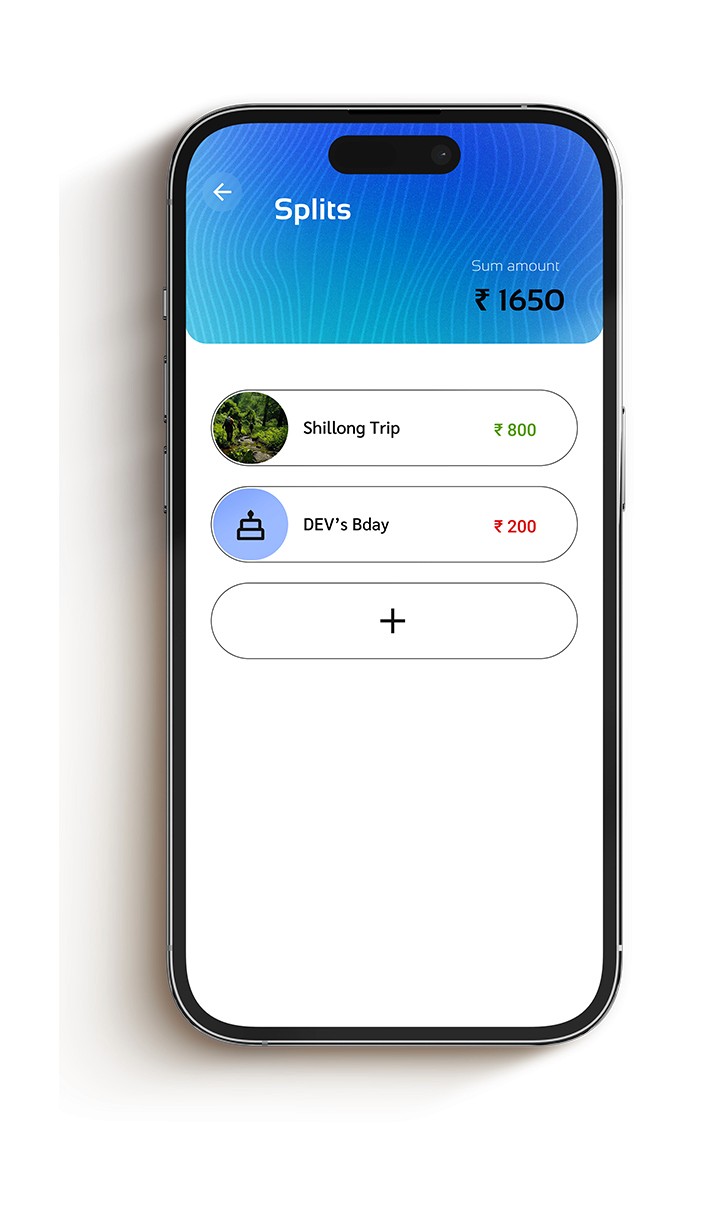
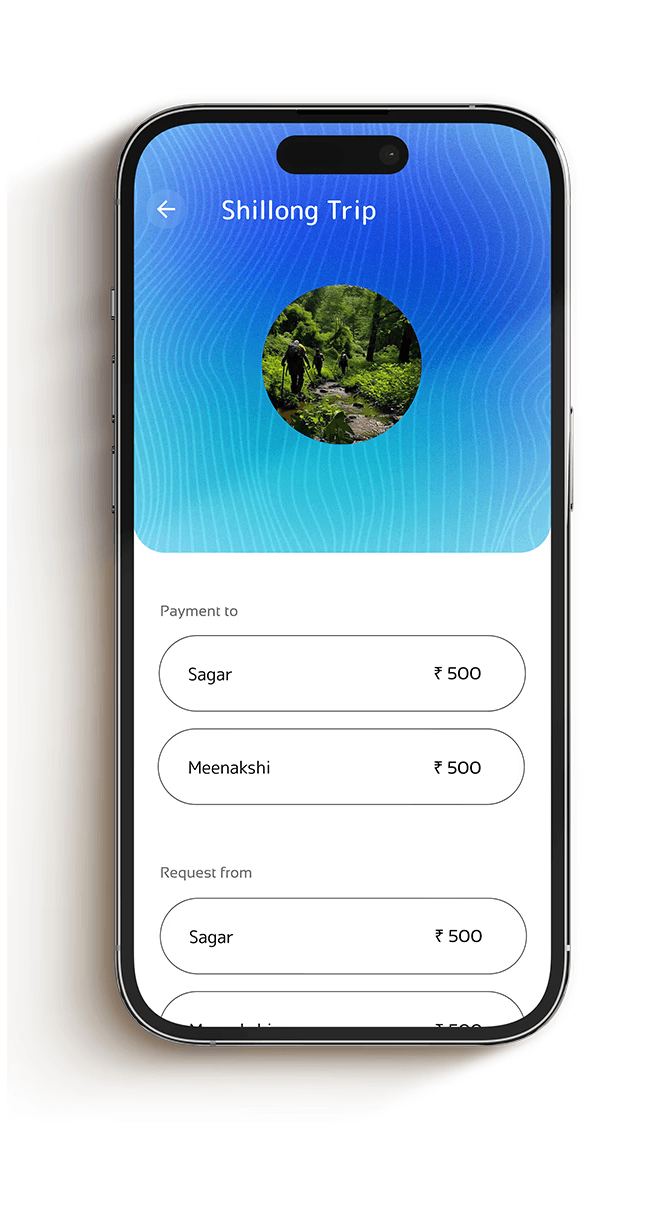
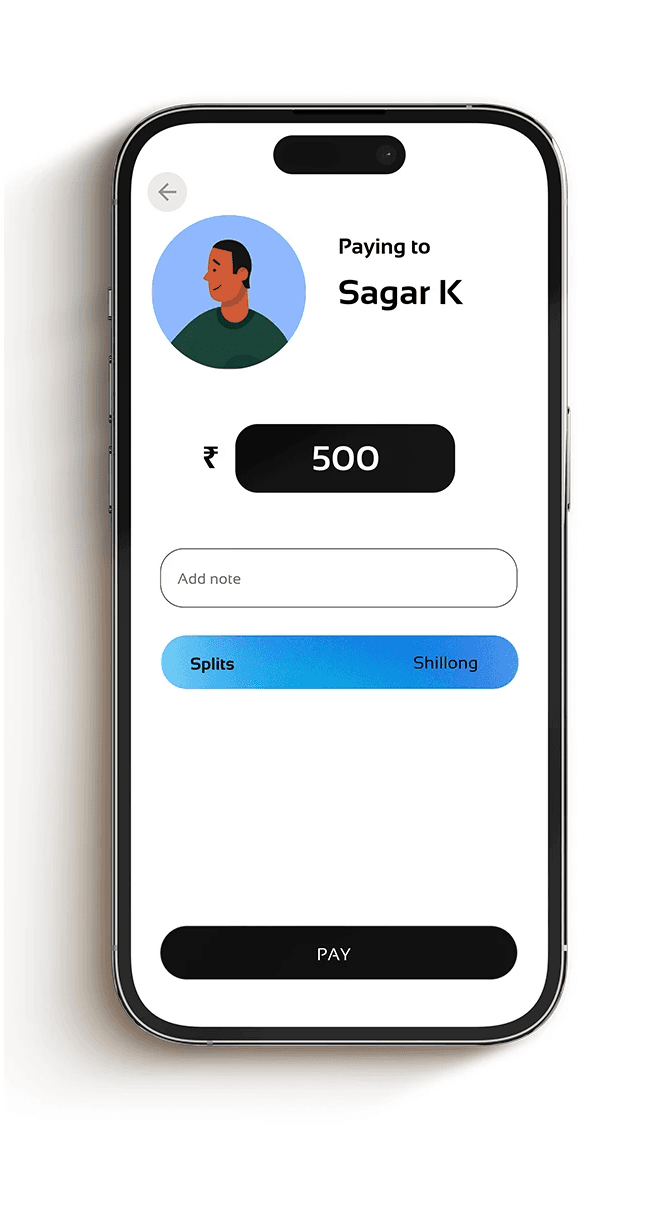
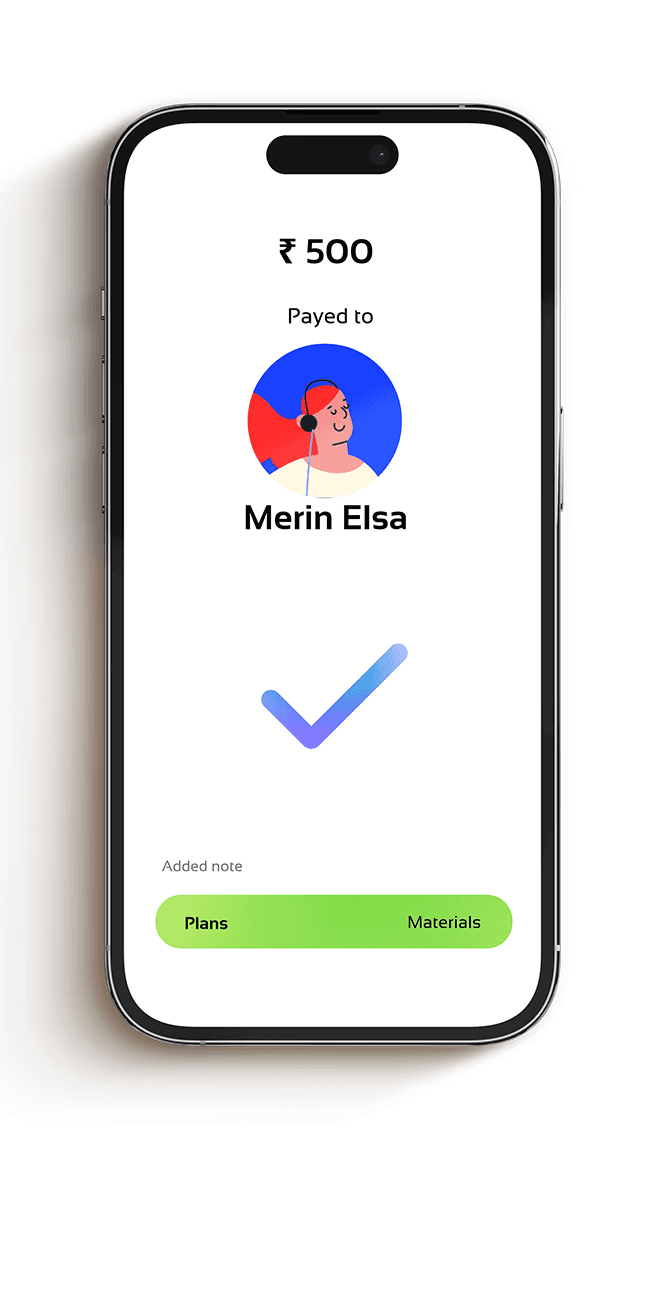
To keep track of money that has to be received
and paid. In this way they can keep track of it.
Splitting
Objectives
Instilling the value of planning and saving
Keeping track of the expenditure, splitting etc
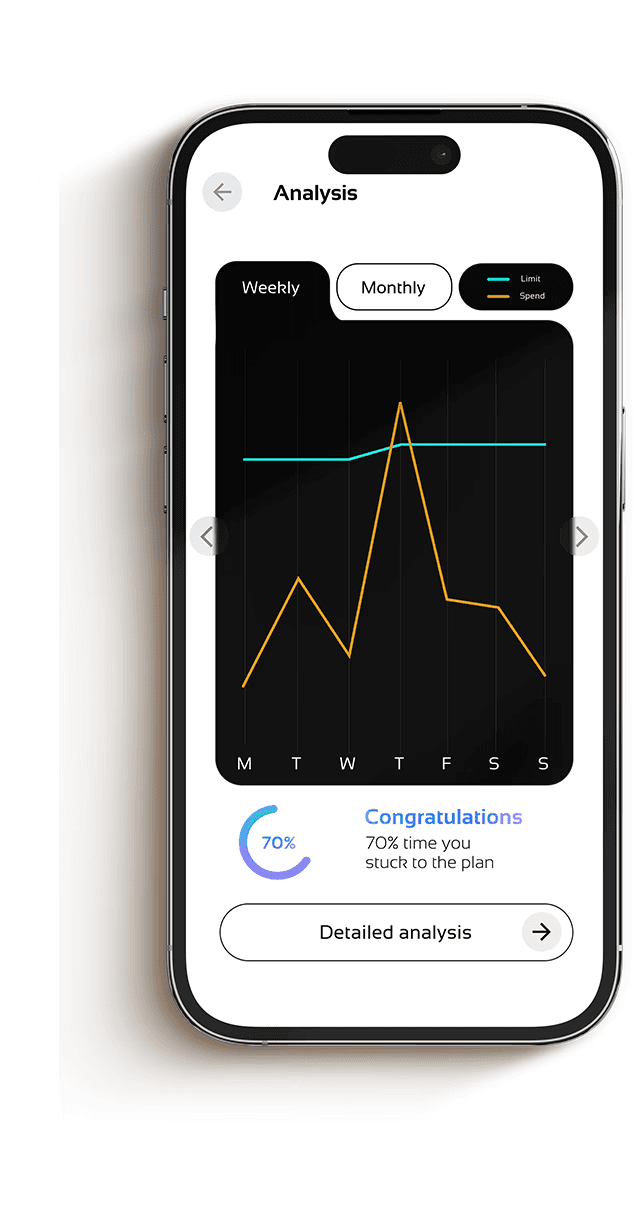
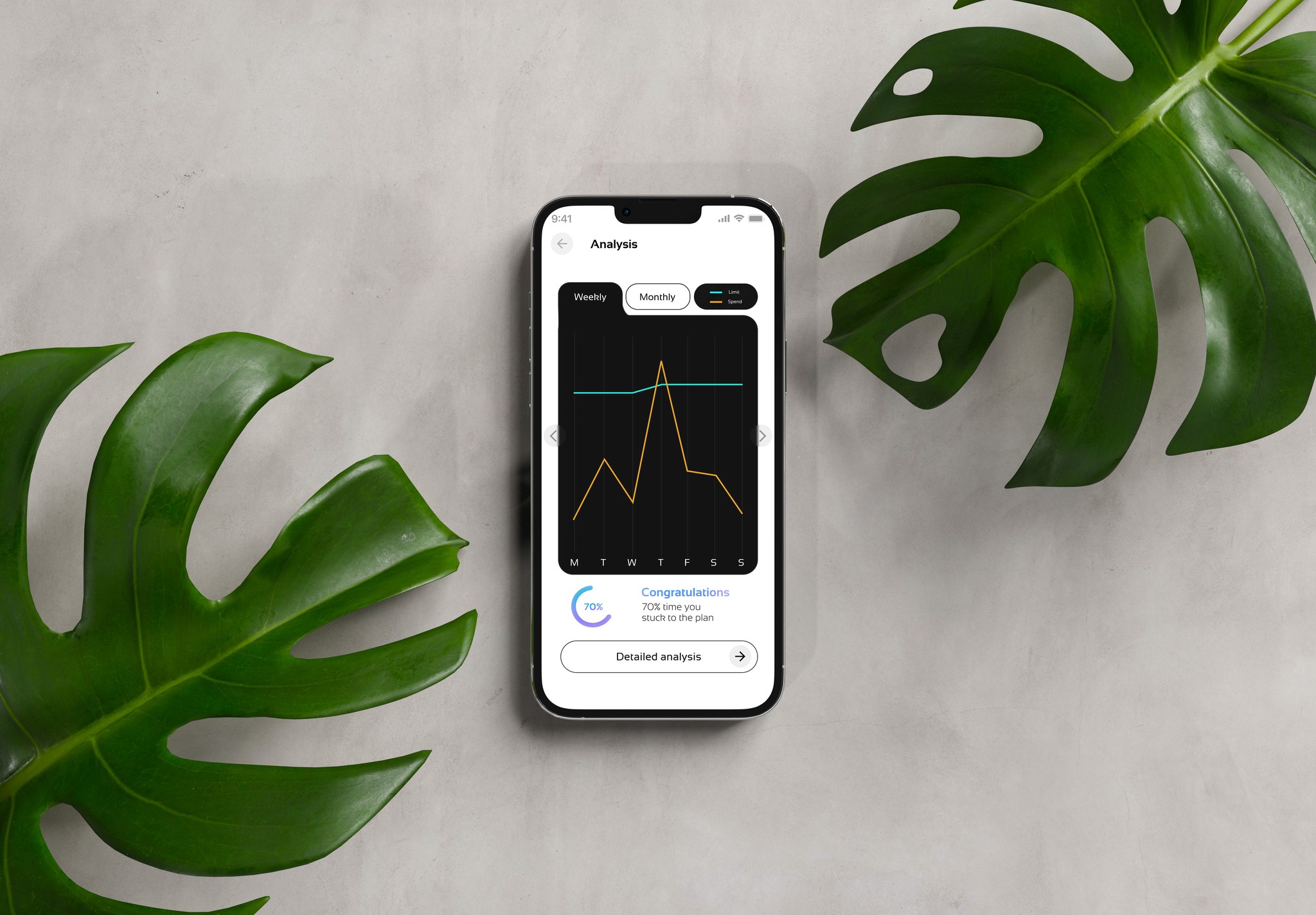
Analysis of activities providing data and suggestions
To make Making money management interesting, easy and user friendly
Timeline
2 month
Roles
User Research
Ideation
conceptualization
Interface design
Year
2022
Money management
for Youngsters
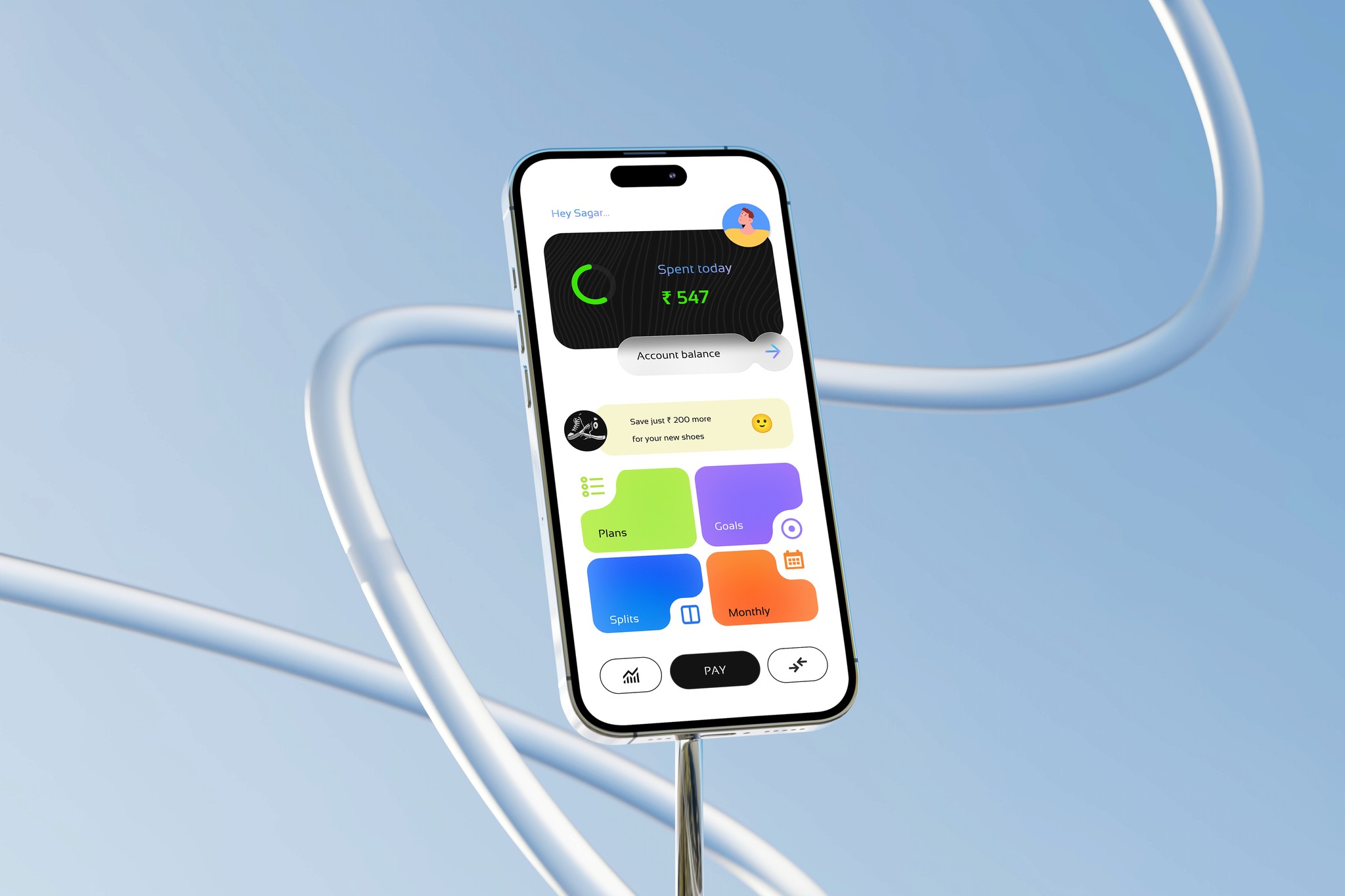
Designing a user-friendly money management app
tailored for youngsters, aiming to empower them
with intuitive financial tools and vibrant interfaces
that foster responsible spending habits and
financial literacy.
About the project
Who are we talking about?

Predictions state that India will continue to be the fastest-growing economy for the next decade.
However, without proper financial knowledge, the country's citizens might never be able to make
the most of this vast economic opportunity that lies ahead of them.
Problem Areas
Youngsters are rarely taught money management
Youngsters often lack access to comprehensive money management education,
leaving them unprepared for financial responsibilities. Traditional educational
systems rarely include practical financial literacy, leaving a significant knowledge
gap. As a result, many young people must learn money management skills through
trial and error or informal sources.
Problem of peer pressure spending
Peer pressure spending is a significant issue among youngsters, as the desire to
fit in or impress friends can lead to impulsive financial decisions. This social
influence often drives them to spend beyond their means on trendy items, outings,
or experiences, resulting in financial strain and potential debt. Consequently, such
behavior can hinder their ability to save for future goals and develop healthy
financial habits.
Unnecessary and impulsive shopping
Unnecessary and impulsive shopping is a common challenge faced by youngsters,
often driven by emotional triggers or social media influences. This behavior can lead
to wasteful spending, financial stress, and cluttered living spaces. As a result, many
young people struggle to differentiate between needs and wants, making it difficult
to maintain a balanced budget and achieve long-term financial stability.
Inability to track expenses
Youngsters often struggle with tracking their expenses, leading to forgotten purchases
and a lack of financial transparency. This oversight can result in overspending, missed
savings opportunities, and difficulty in creating an accurate budget. Consequently,
maintaining a record of expenditures becomes crucial for developing responsible
financial habits and avoiding financial surprises.
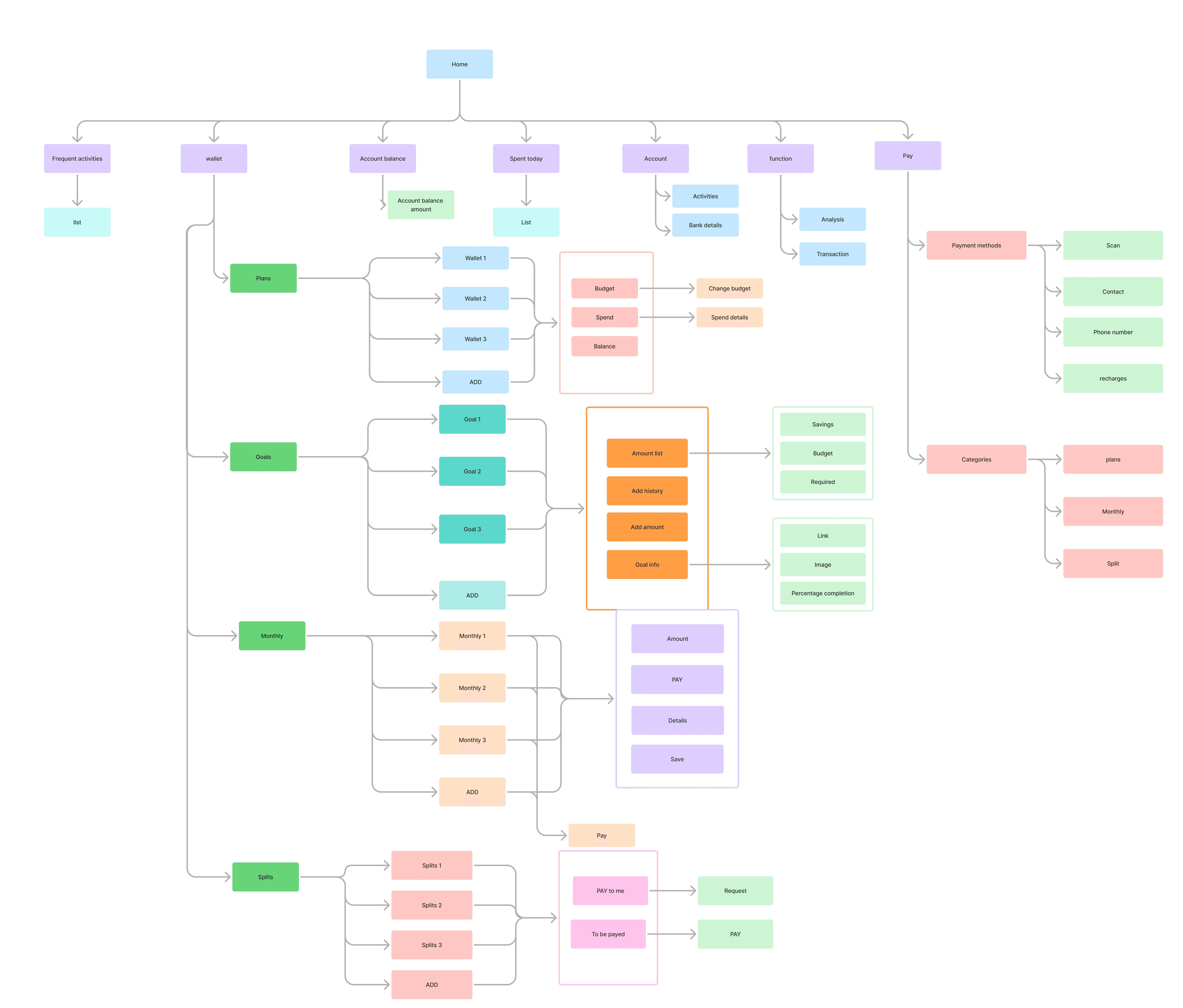
Structuring the Information
Teenagers and youngsters, typically between the ages of 13 and 25, who are
at a critical stage of developing financial literacy and independence. This
demographic is particularly important as they begin to manage their own
finances through allowances, part-time jobs, or internships, setting the
foundation for lifelong financial habits.
Streaming apps

Youngsters spend a significant portion of their digital time
on streaming apps, with many dedicating over 60% of their
mobile usage to these platforms. On average, youngsters
tend to spend around 10% to 20% of their disposable income
on online streaming services.
Youngsters, particularly those aged 18-29, are frequent
users of food delivery apps. They tend to order
food delivery approximately twice a week, making it a
regular part of their lifestyle.On average, youngsters
typically spend around 15% to 30% of their disposable
income on online food ordering services, depending
on their lifestyle and dining habits.
Food orders

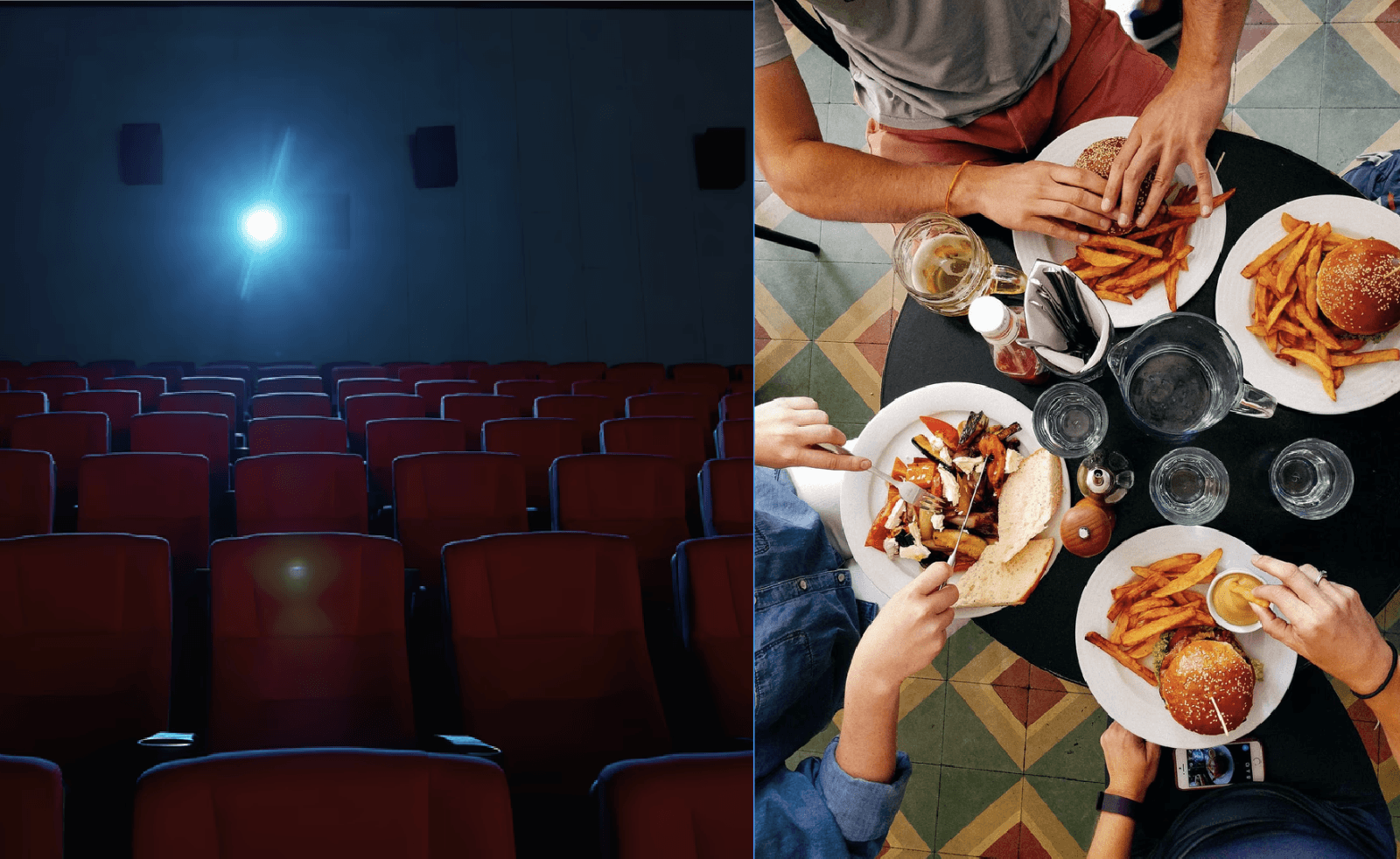
Movies & Outings
Youngsters frequently eat out, with over 85% doing so one to
five times a week. In terms of entertainment, movies remain a
popular pastime. On average, youngsters often allocate around
20% to 40% of their disposable income towards movies and
outings, including cinema tickets, dining out, and other
social activities.
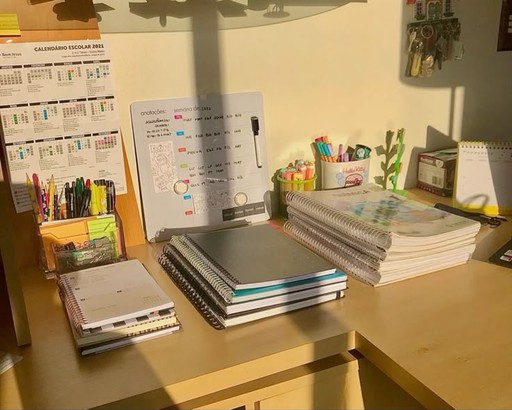
Materials for study
On average, teenagers allocate approximately 30% to 40%
of their monthly allowance towards educational materials
and resources. On average, youngsters typically spend
around 20% to 40% of their allocated allowance on study
materials, including textbooks, stationery, and
digital resources.
What are the common expenses for the target group?
Background
Youngsters are at a pivotal stage where they begin handling money through allowances, part-time jobs,
or internships, marking their first exposure to financial independence. Allowances from parents often
introduce them to basic budgeting and spending decisions, while earnings from part-time jobs or
internships provide a sense of ownership and responsibility over their finances. These early experiences
are critical as they shape financial habits, yet many young people lack the knowledge to manage their
money effectively, making this an ideal time to teach them essential financial skills.
Youngsters today struggle with financial literacy, often lacking confidence in managing their money and
making informed decisions. Many face challenges like overspending and debt due to poor budgeting and
saving habits. This situation highlights the need for accessible tools, such as money management apps,
to equip them with essential financial skills.
Context
of teens lack confidence in
their personal finance knowledge,
with many unable to differentiate
between basic concepts like credit
and debit cards.
0%
0%
Surveys reveal that only 27% of India's
population is financially literate
Business Standards (2023)
only 16.7 per cent of Indian students have
a basic understanding of finance and money
management
Business Standards (2023)
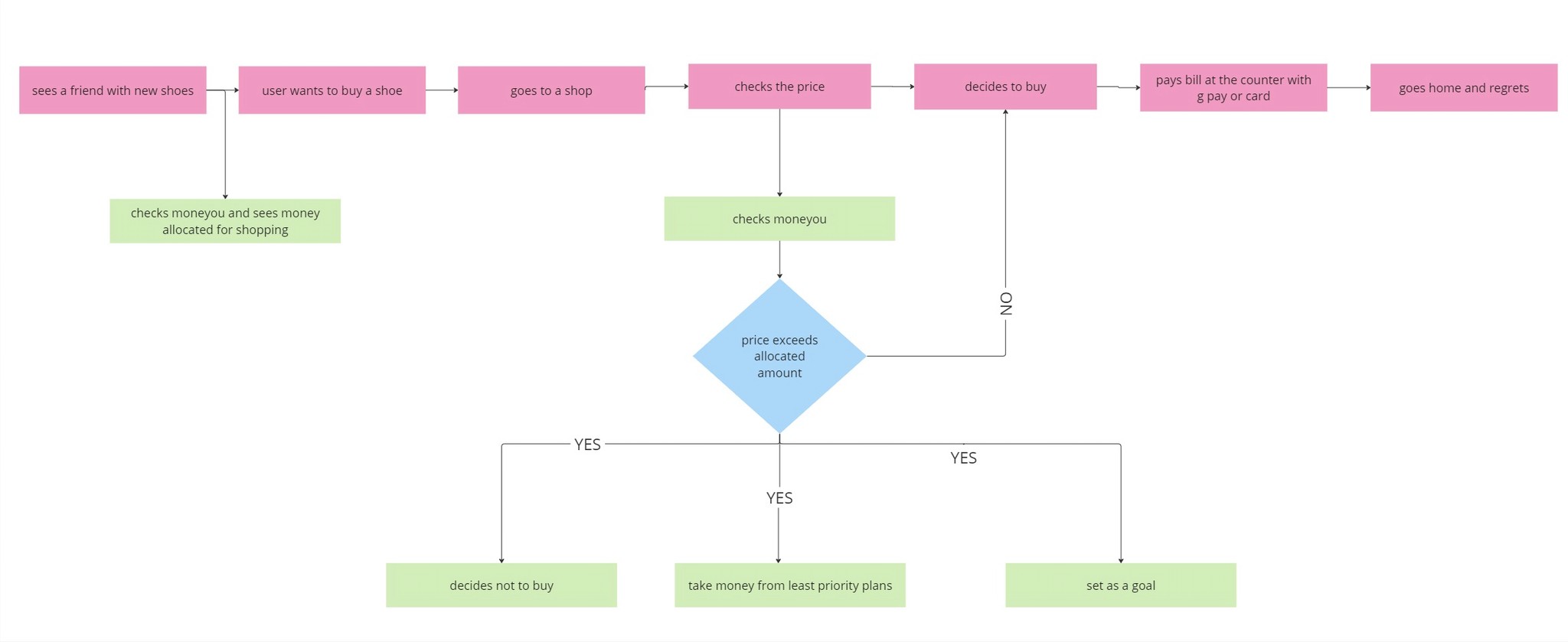
Situation : Peer pressure shopping
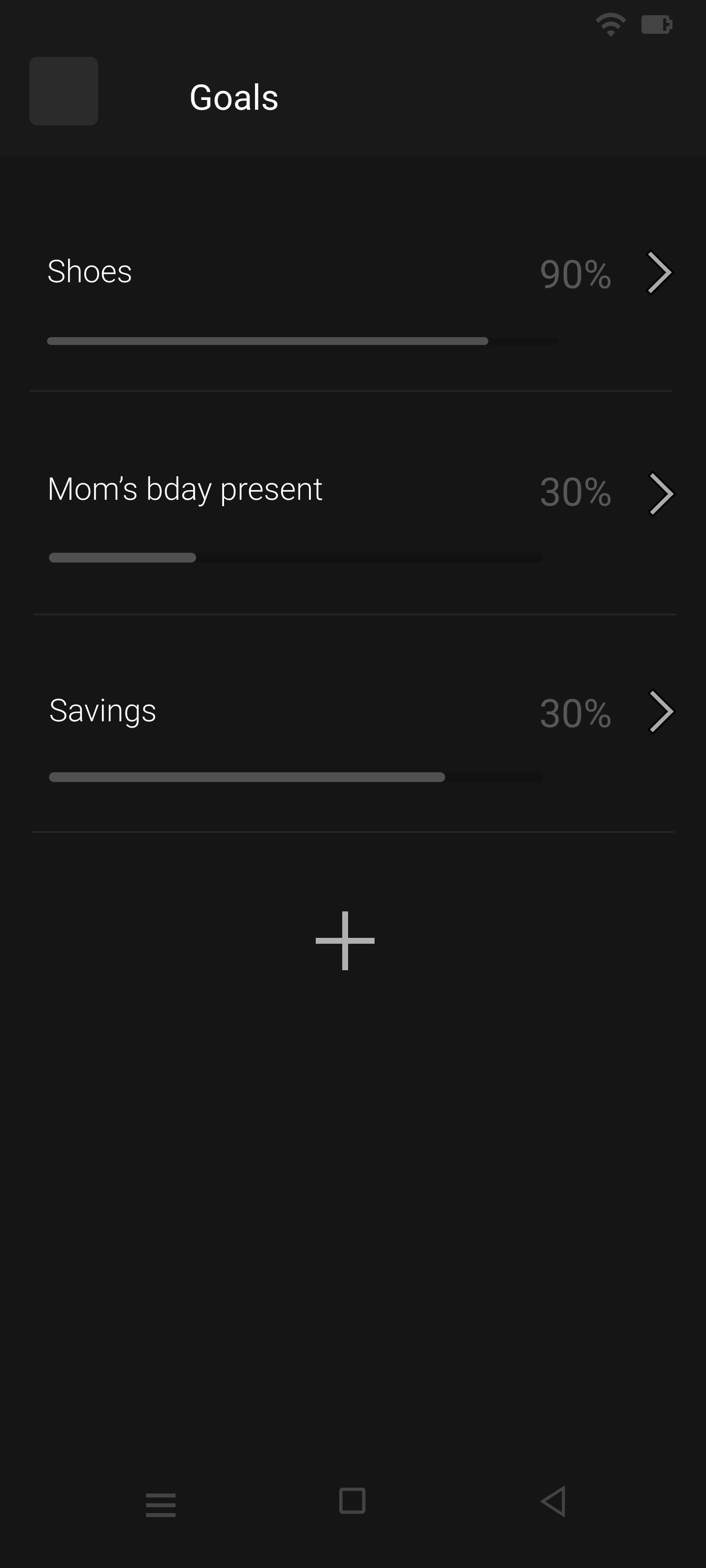
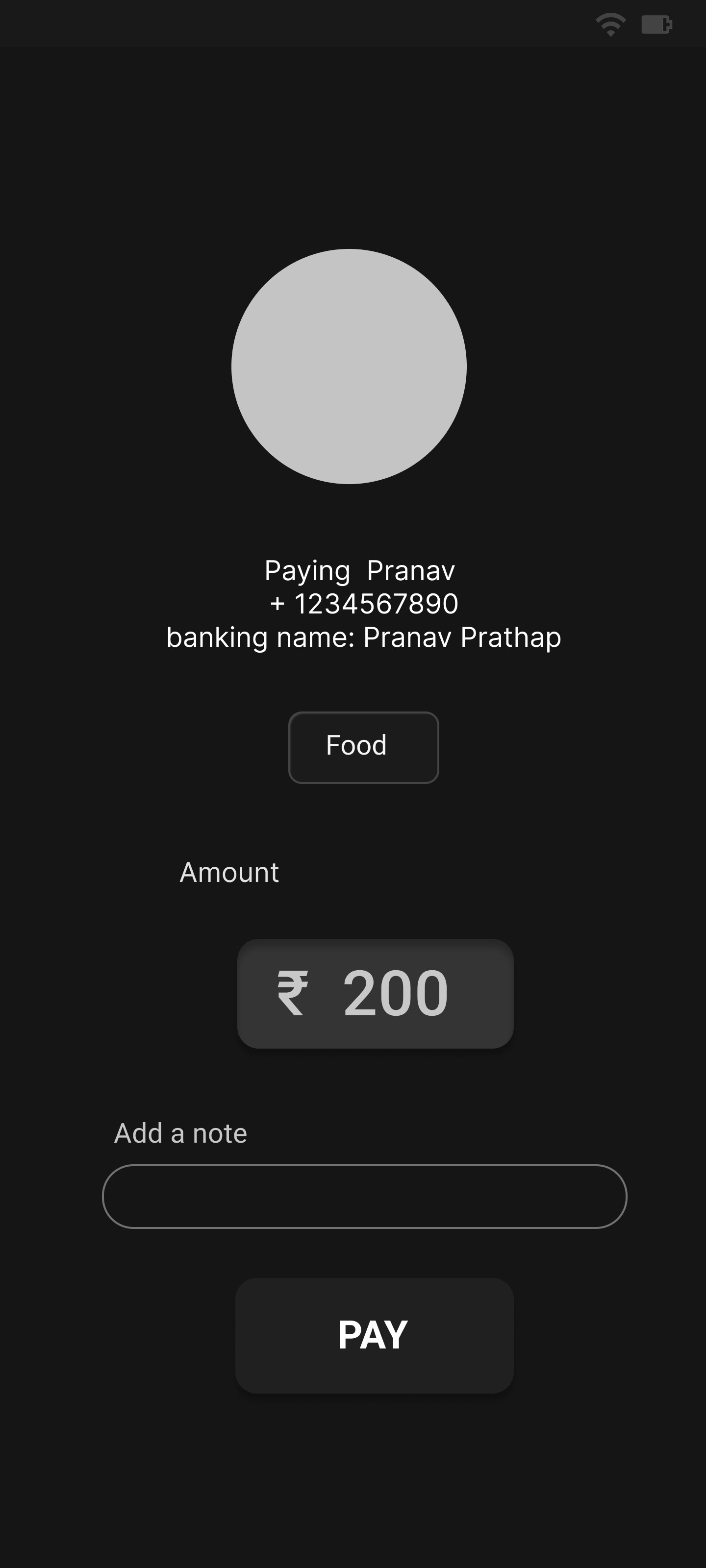
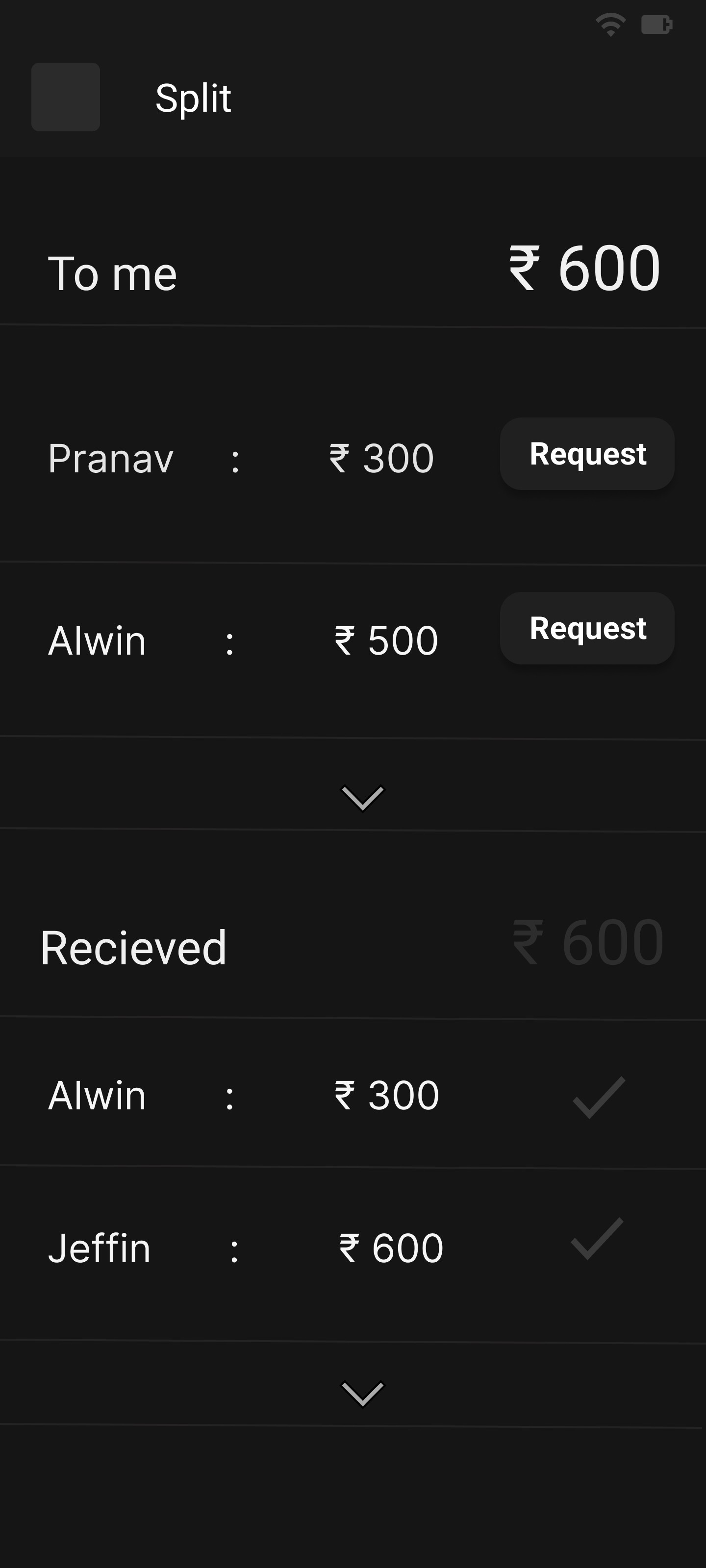
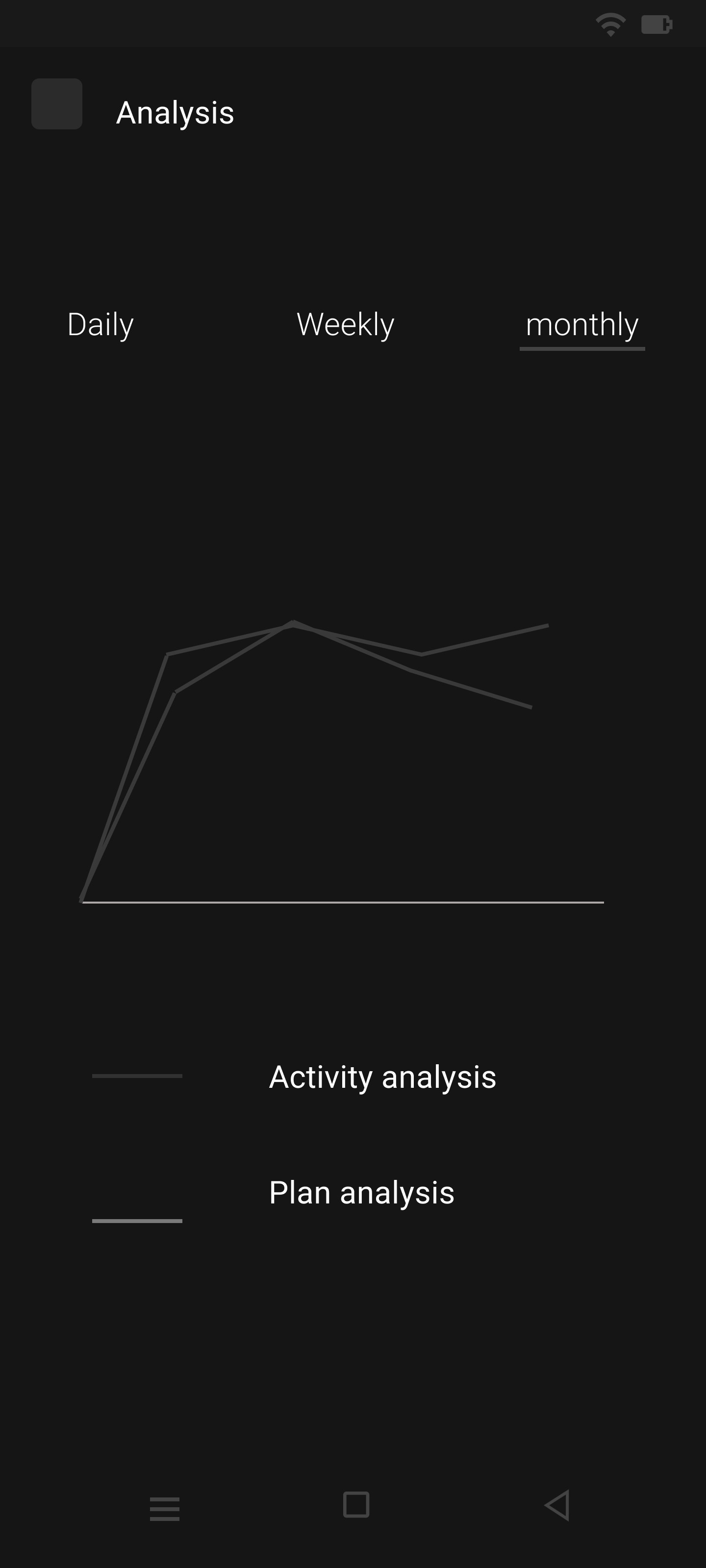
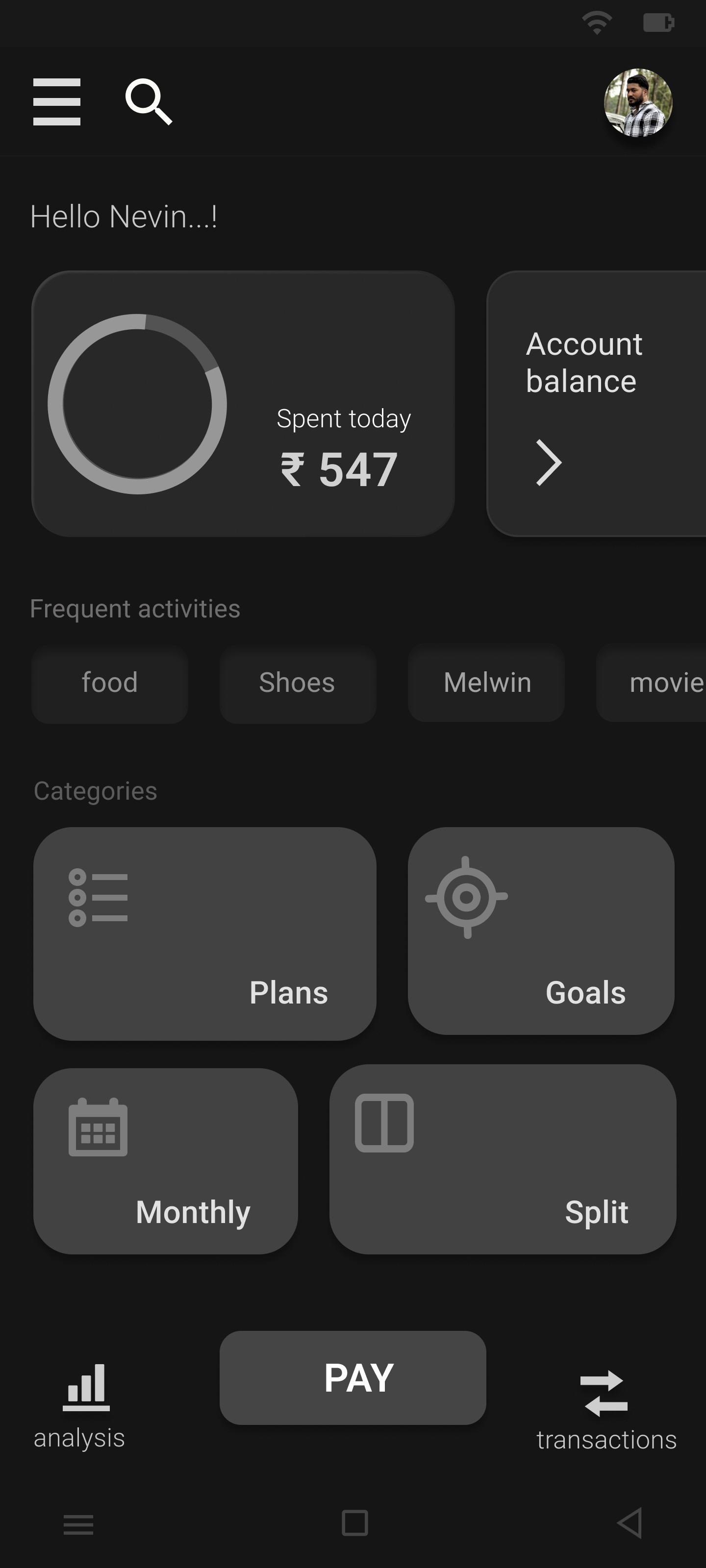
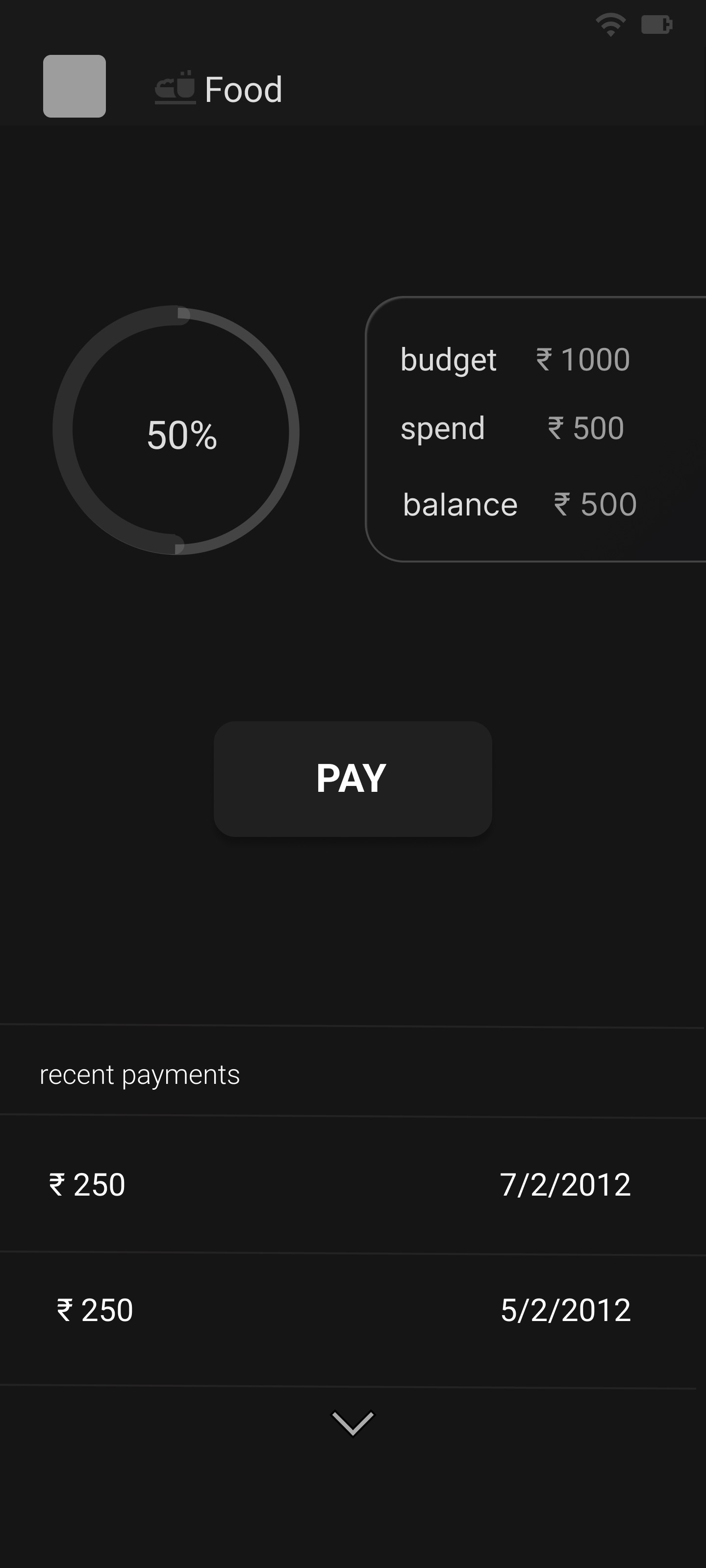
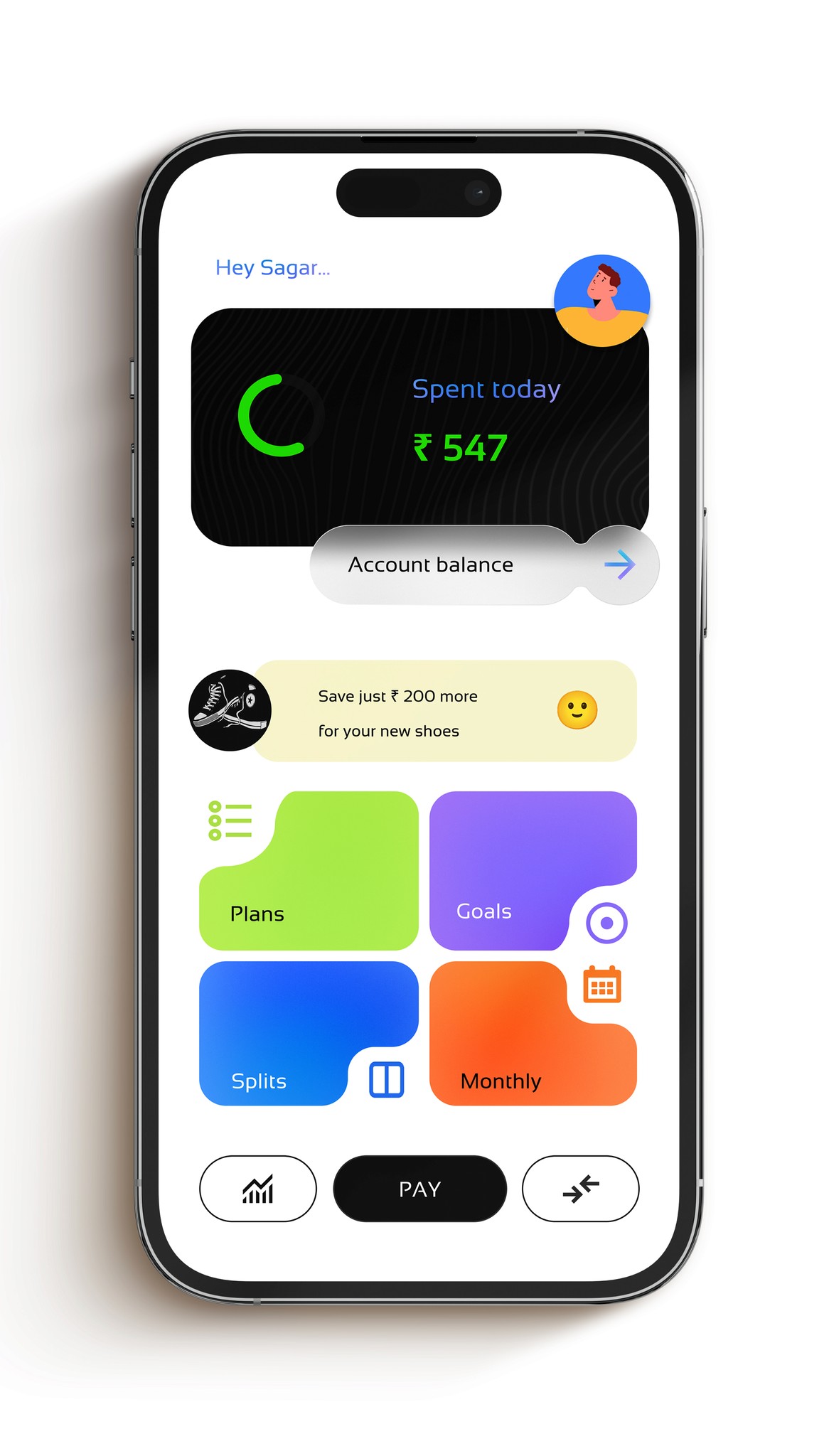
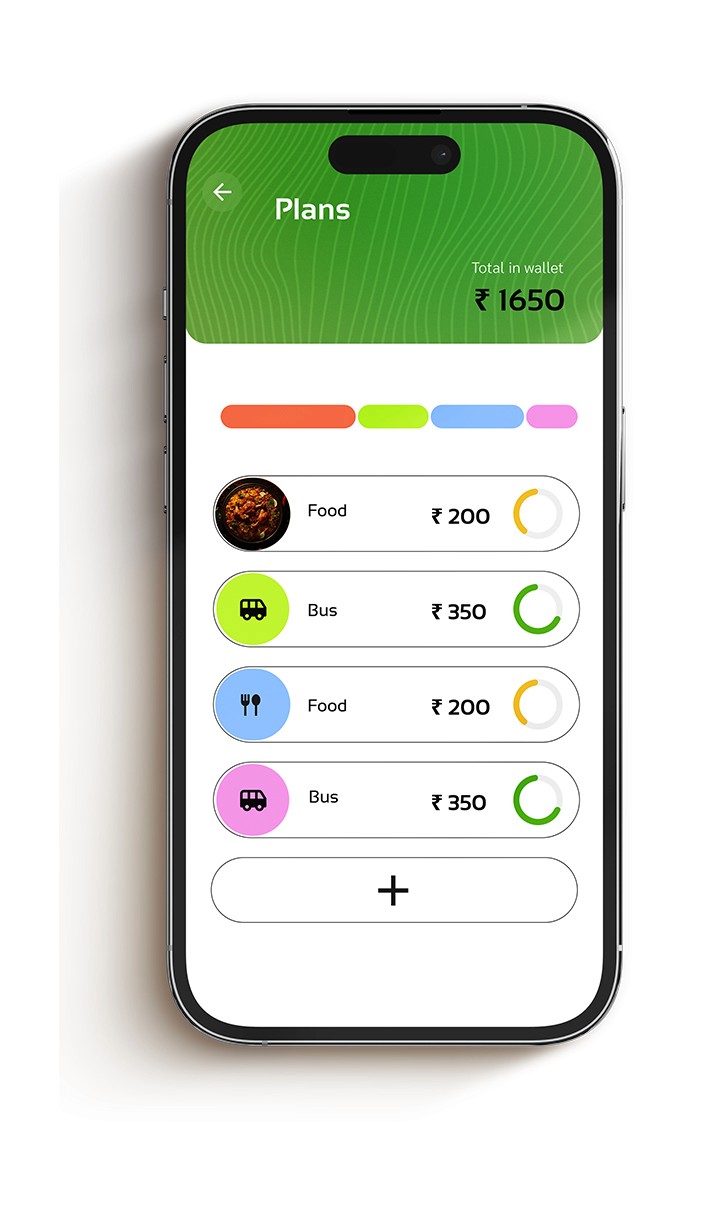
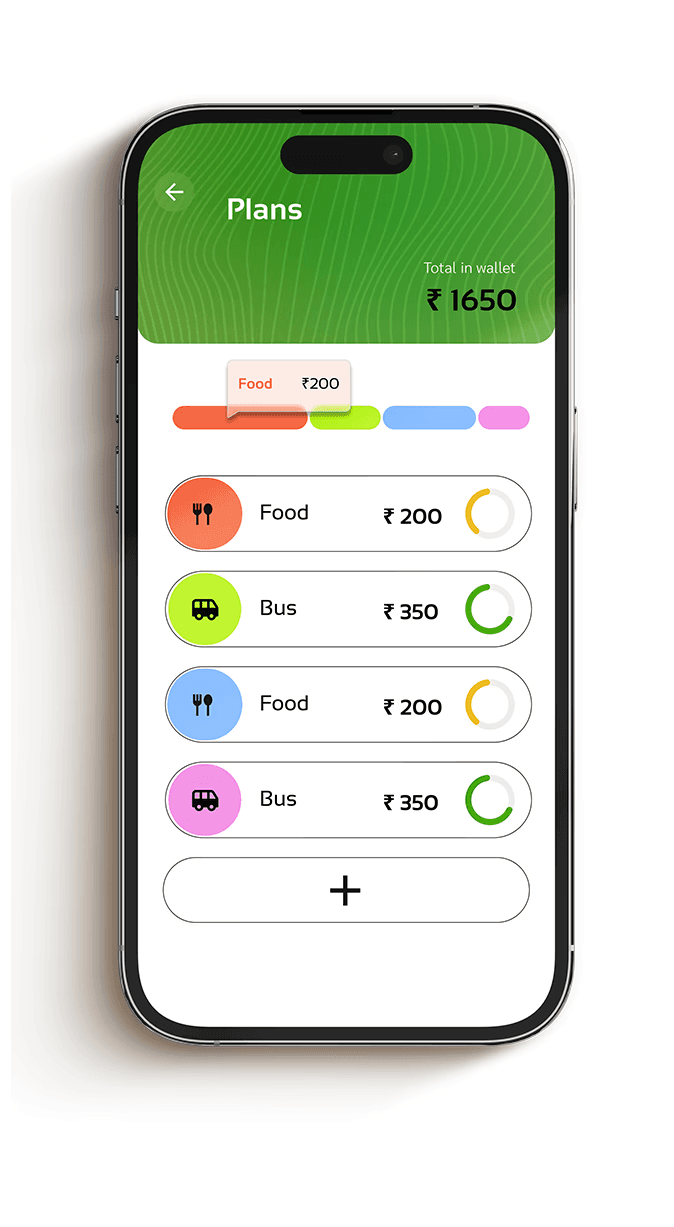
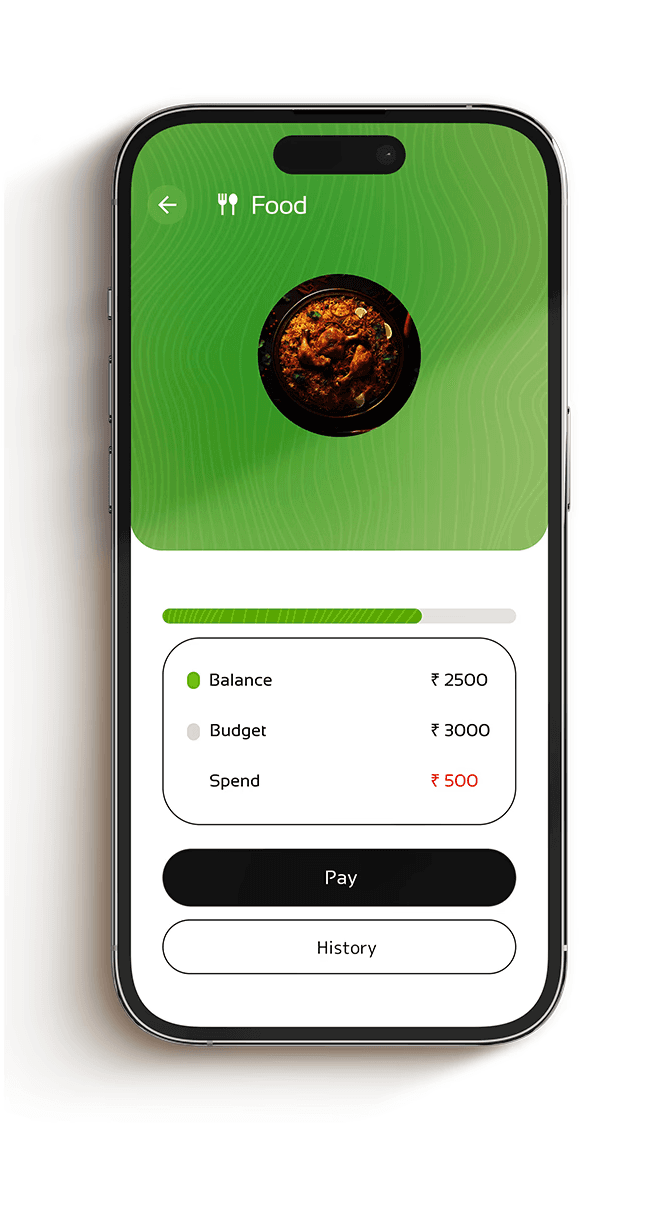




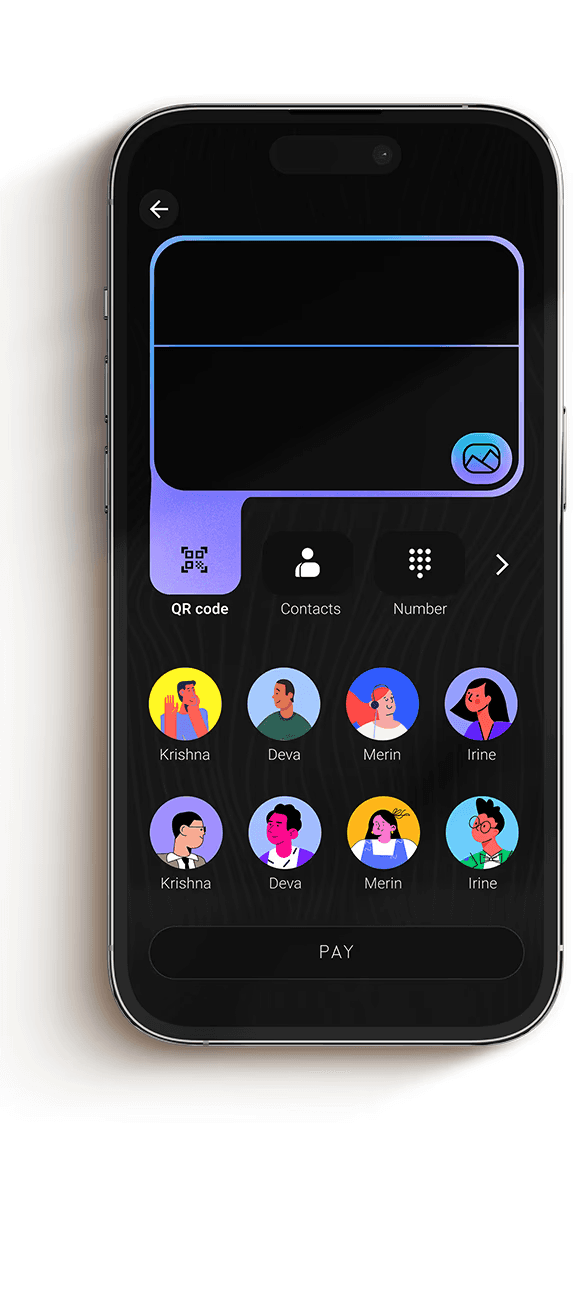
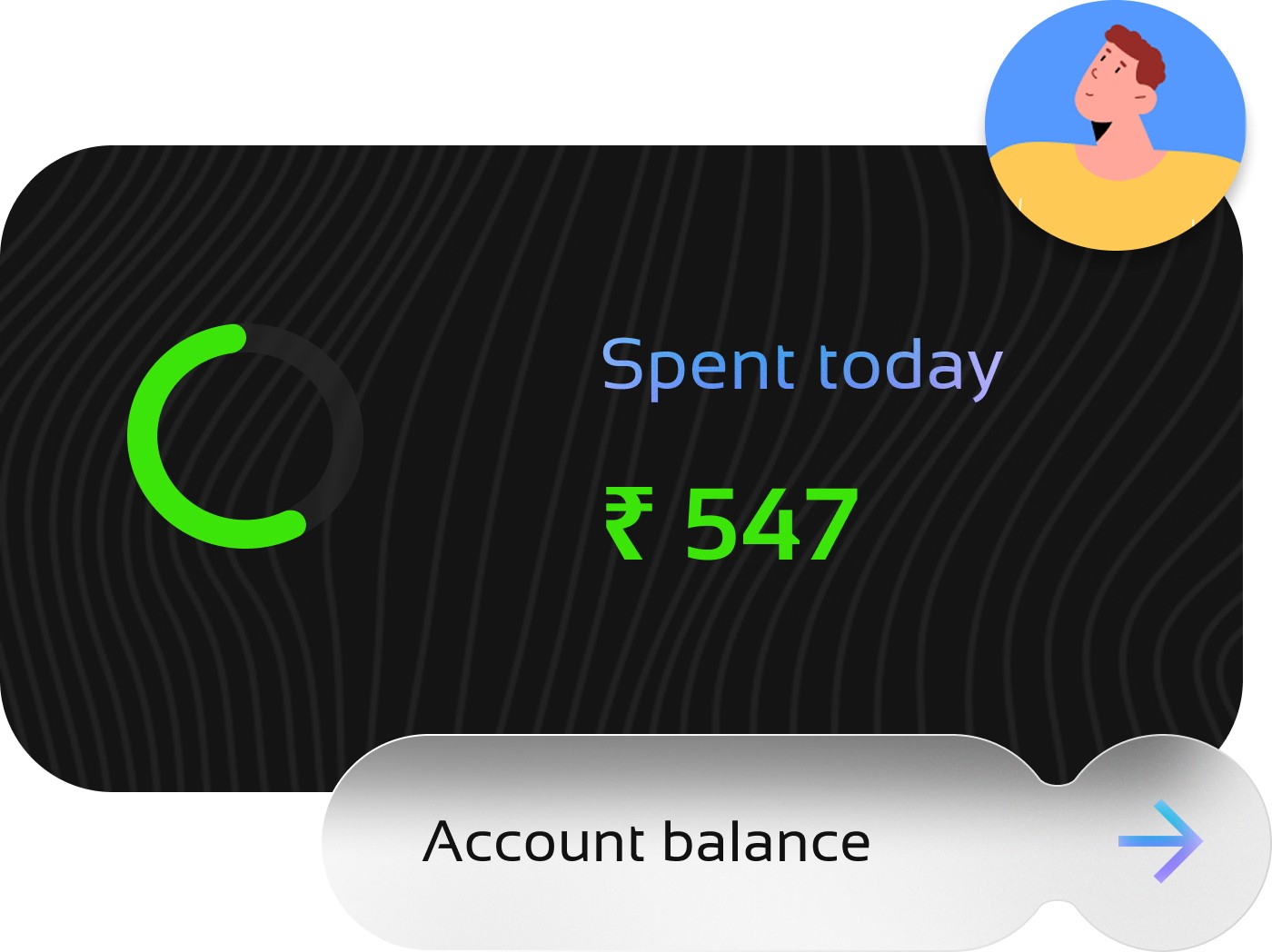
Know your daily expense with your set limit.
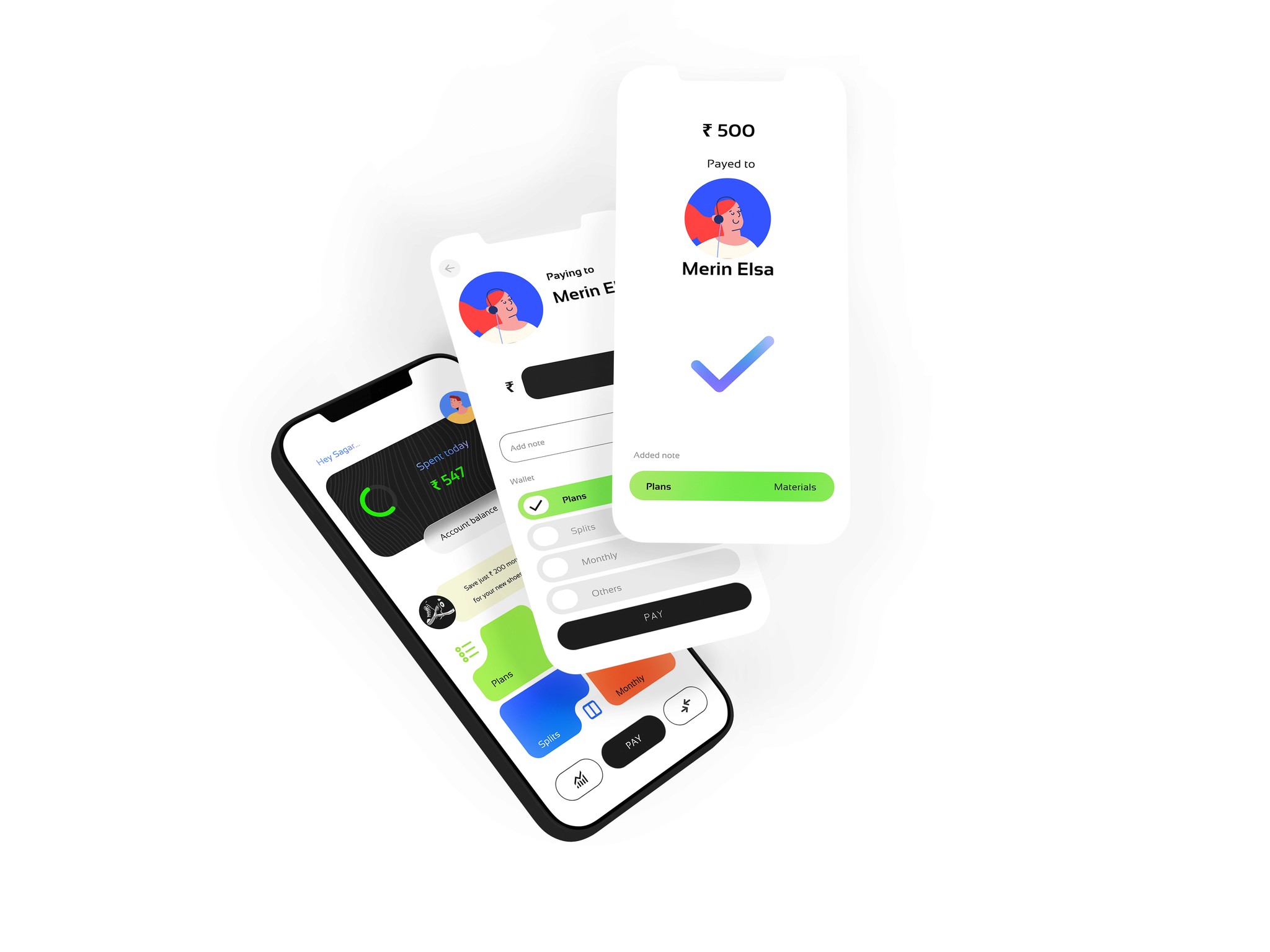
Easy one click access to your account balance


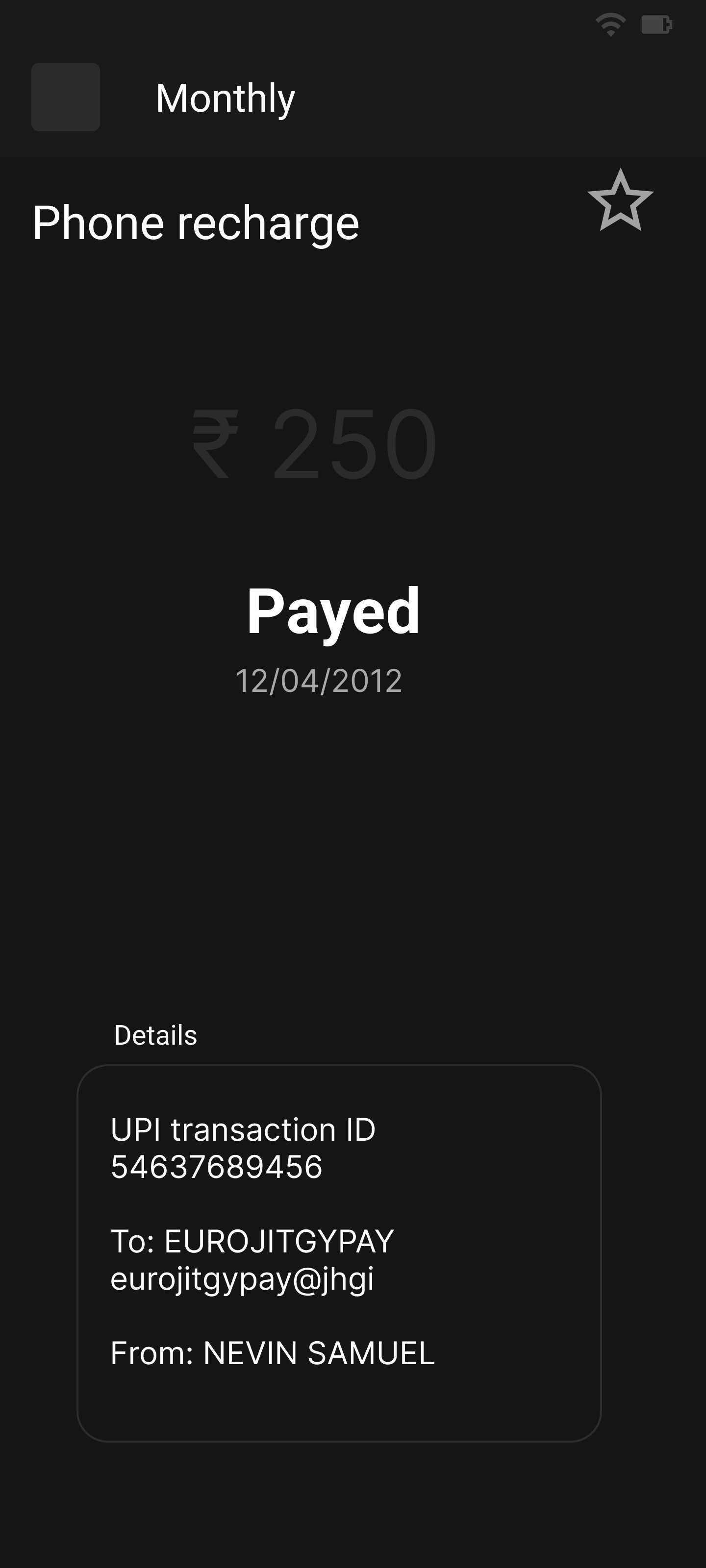
New messages every day to keep them in track

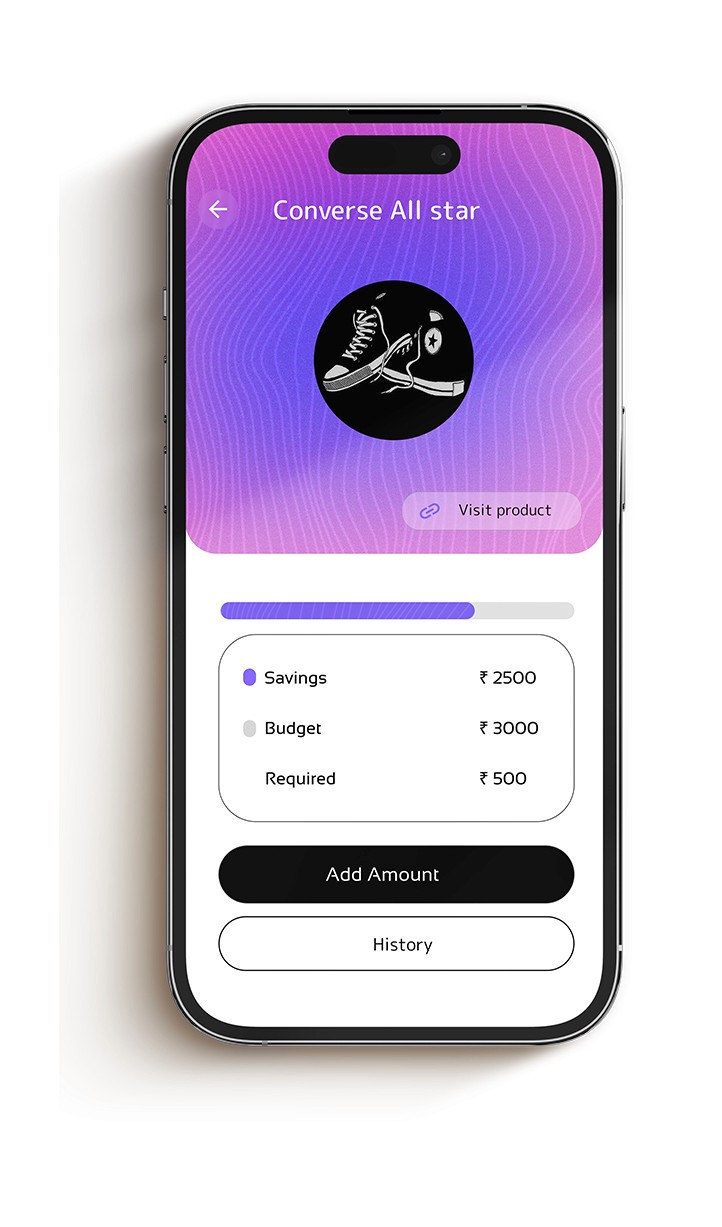
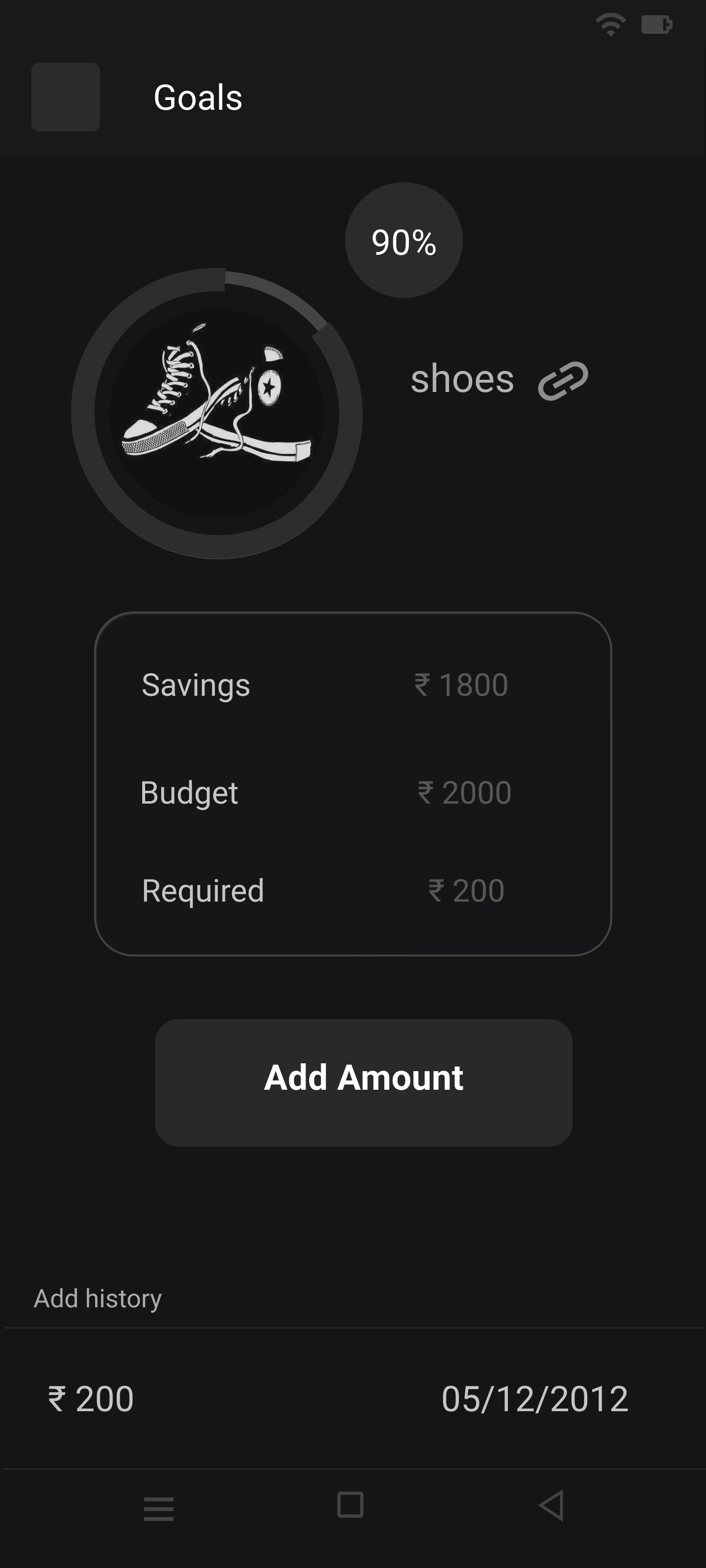
Add your product link for easy access
once you reach the goal